
Your Booking Cart
Your cart is empty
Add stays, experiences, or extras to get started.
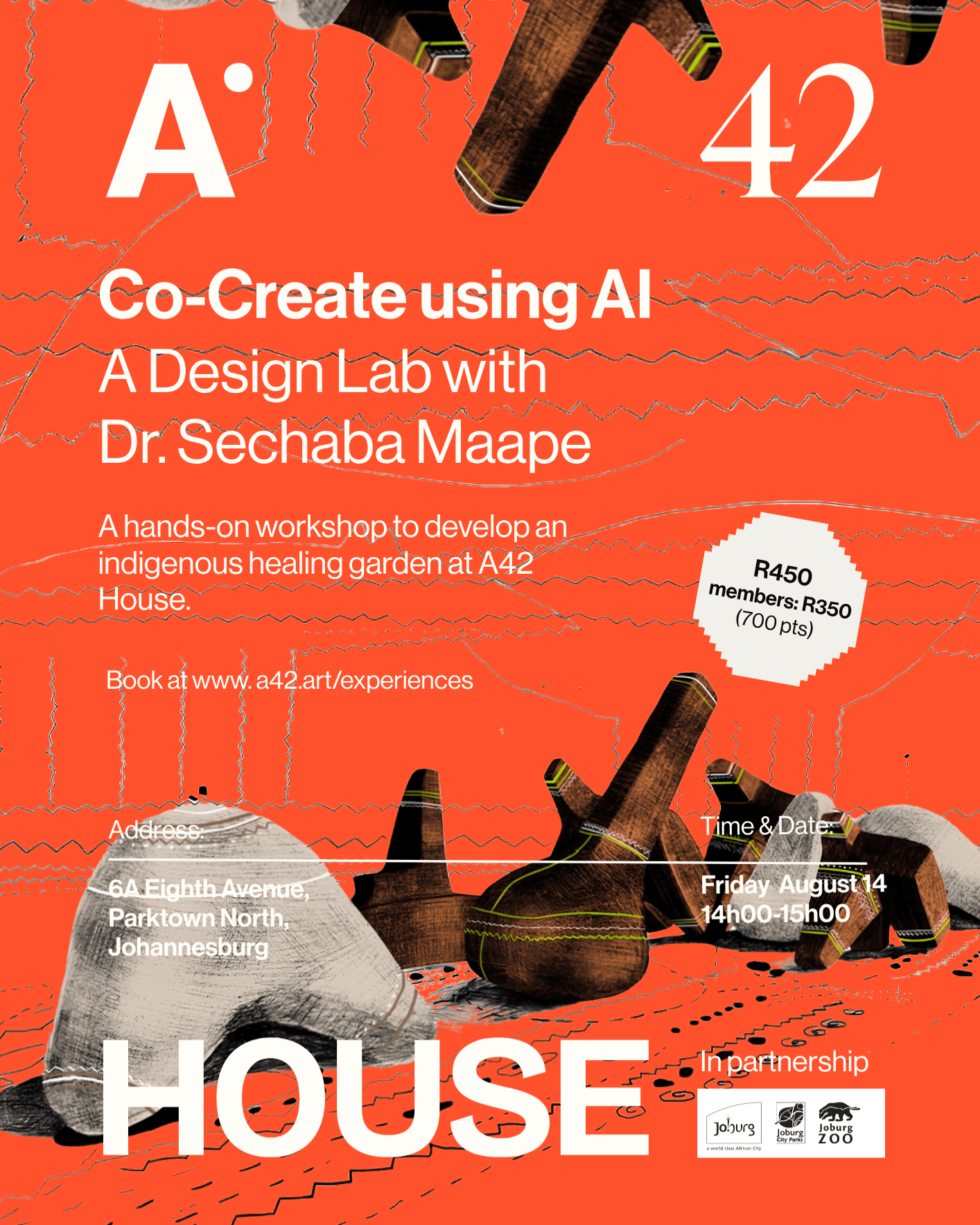
In the first creation Lab, we grounded ourselves in indigenous knowledge systems, using traditional ecological wisdom to listen to the land and reveal its living identity, memory, and presence. Now, we take the next step in this journey by bridging rooted heritage with modern technological frameworks. This second session invites designers, thinkers, and community members to explore how Generative AI can serve as a collaborative tool rather than a top-down solution. We will test how AI tools can translate deep ecological insights, oral histories, and spatial relationships into tangible architectural and landscape design concepts. What we will explore together: Digital Translation of Living Identity: How prompt engineering and AI visualization can express the spiritual, ecological, and cultural character of a landscape. De-centering Human-Only Design: Using technology to honor the agency, rights, and seasonal shifts of the land itself. Speculative Proposals: Hands-on co-creation of forward-looking design concepts that remain deeply accountable to indigenous ethics and ancestral roots.
Date & Time
Friday, 14 August 2026
2:00 pm – 3:00 pm (1 hour)
Location
A42 House
30 capacity
Book this experience
Fri, 14 Aug 2026
2:00 pm – 3:00 pm · 1h
30 spots remaining
Earn 700 pts on attendance. 1 pt = R0.5
Activate Your Free Membership or log in to reserve your spot.
Stay with Us
Extend your experience and stay overnight.
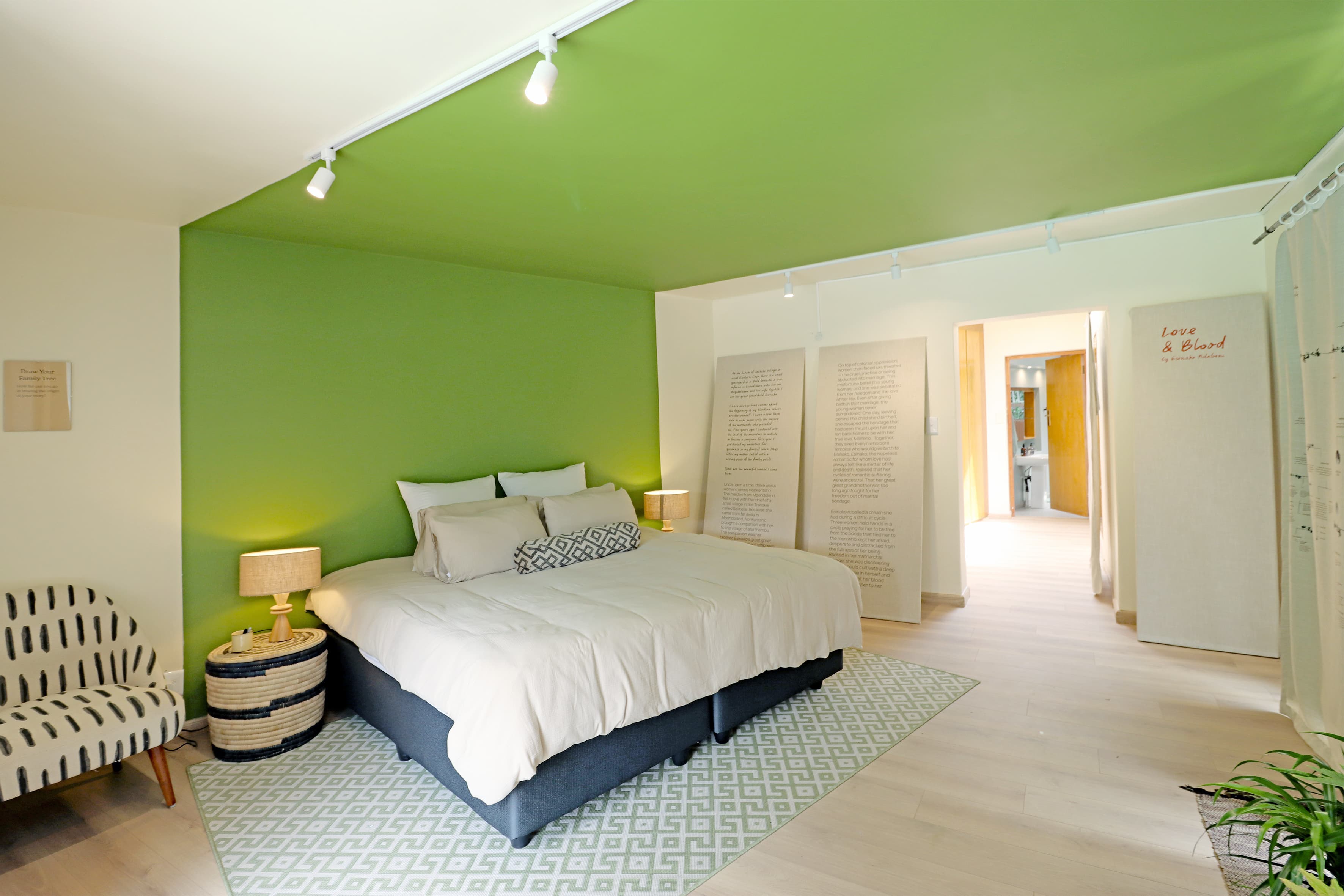
Love and Blood
Esinako Ndabeni
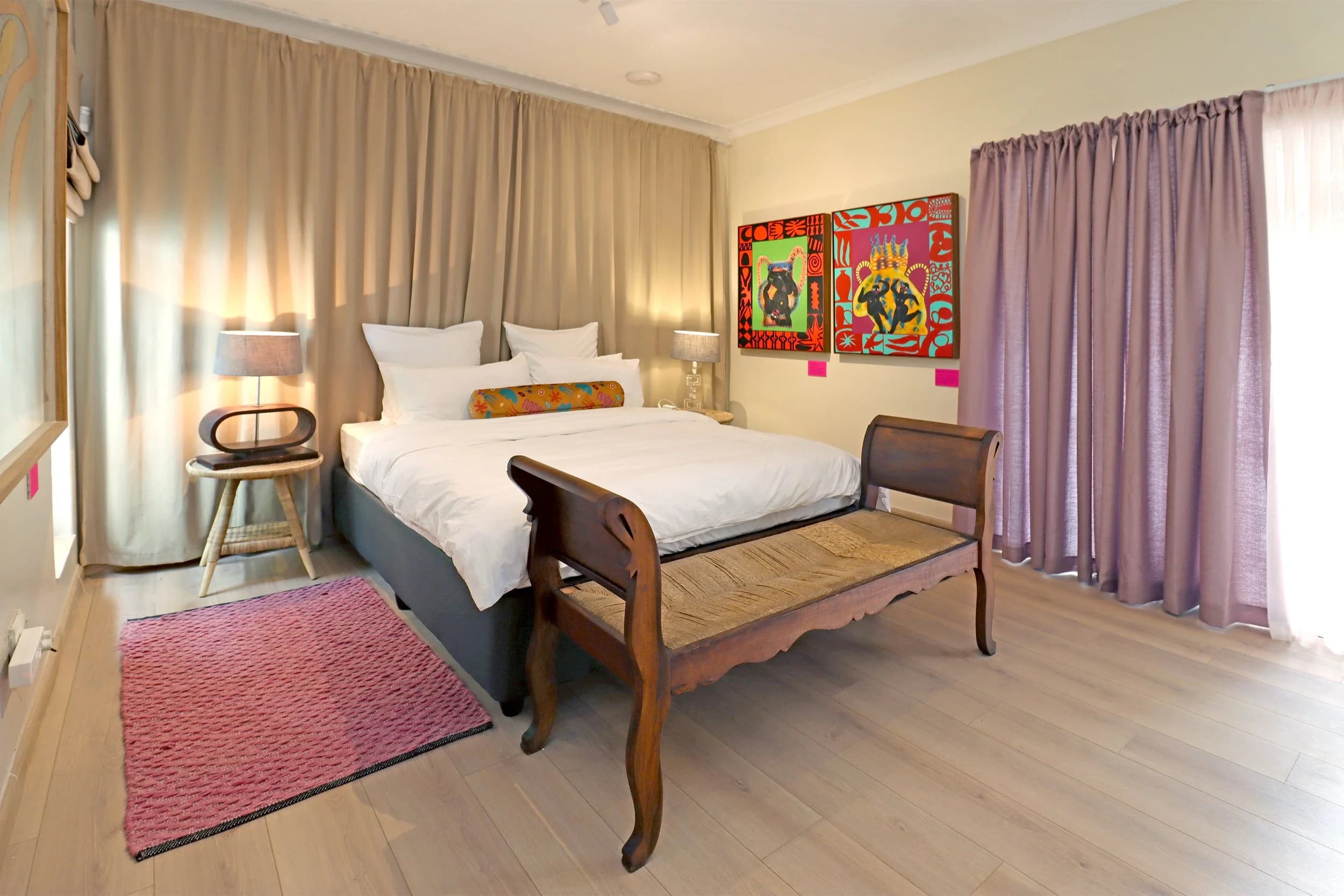
The Weight of Small Things
kumalo/turpin (curators)
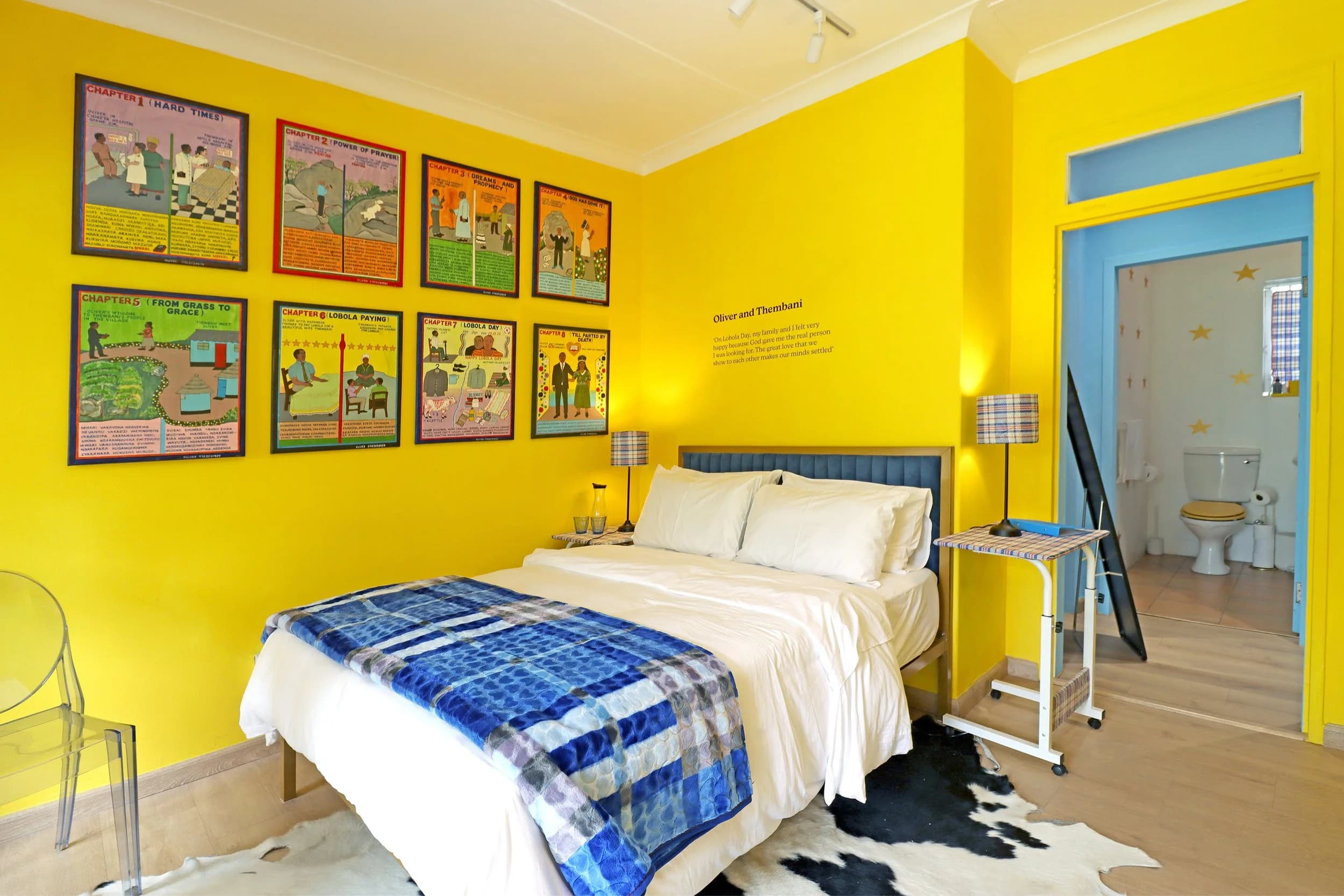
Oliver and Thembani
Oliver Matamba

Home Economics
Khensani Mohlatlole
Facilitated by
Dr Sechaba Maape is an architect and the director of the design practice Afreetekture, as well as a senior lecturer at the Wits School of Architecture and Planning. After completing his Masters in Architecture (Professional)(WITS) he went on to undertake a PhD in architecture (WITS) supervised by Dr Daniel Irurah. His thesis explored people/place relationships, ritual and climate change adaptation among indigenous communities in Kuruman in the Northern Cape Province. His research enquiries led him to engage archaeological and paleontological material in depth, guided through the co-supervision of Professor Benjamin Smith who at the time directed the Rock Art Research Institute (RARI) then later Professor Francis Thackeray who was the director of the Wits Institute of Human Evolution. His work also led Dr Maape to do `extensive field work investigations and community engagement in the wider Kgalagadi region as well as the Northern Cape Province of South Africa.