Creative Collaborators
We work with local artists, designers, storytellers, curators, and more to transform each A42 resart, drawing on the heritage, culture and ecology of each place.
Current Collaborators
-
Esinako Diana Ndabeni is an interdisciplinary artist and sangoma living in Johannesburg, South Africa. Her work moves between writing, sound, and spiritual practice to explore lineage, memory, and indigenous knowledge systems. She is the co-author of Born to Kwaito: Reflections on the Kwaito Generation, the author of Sacred Earth Philosophy, and the founder–editor of Riotzine, a literary magazine amplifying South African voices born after 1994. Under the moniker Esinako, she creates music that bridges ancestral storytelling and contemporary sound. Her debut EP, King of the Underworld, releases in November.
-
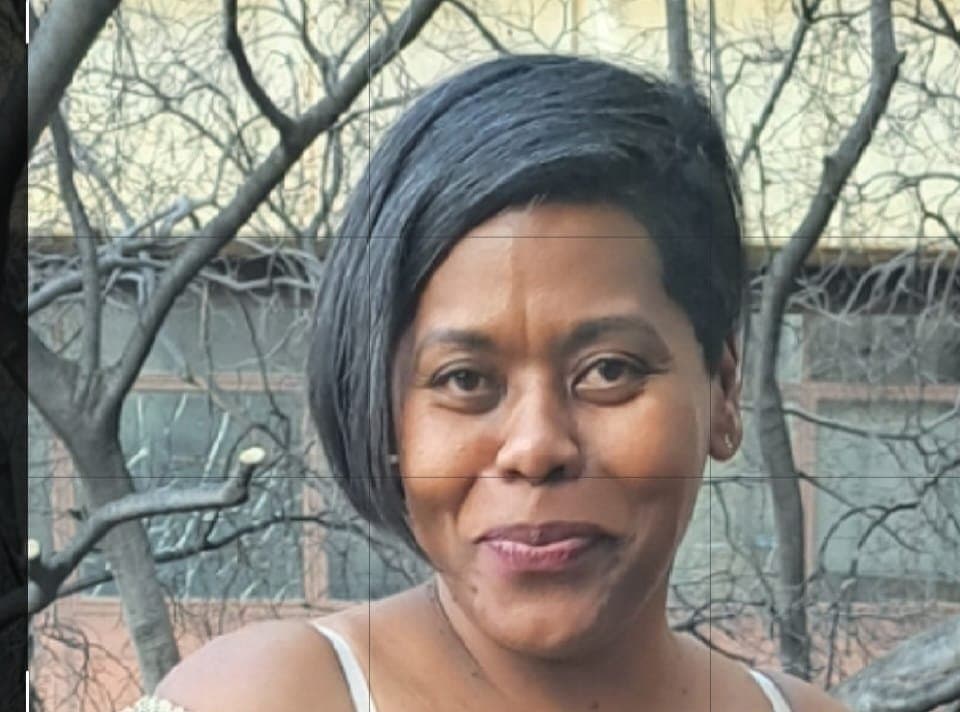
Farieda Nazier is an artist, academic, and activist whose Afro-feminist practice explores how colonial and apartheid histories continue to shape the present. From 2017 to 2024, she led the Department of Jewellery Design and Manufacture at the University of Johannesburg, and now serves as Curator and Senior Lecturer at the FADA Gallery.
Her modalities include leadership, research, and teaching, with a focus on facilitating critical consciousness using art approaches and practices. Through both creative and literary research, she has made significant contributions to anti-colonial discourse.
Her work continues to inspire new ways of thinking about art, identity, and justice.
-
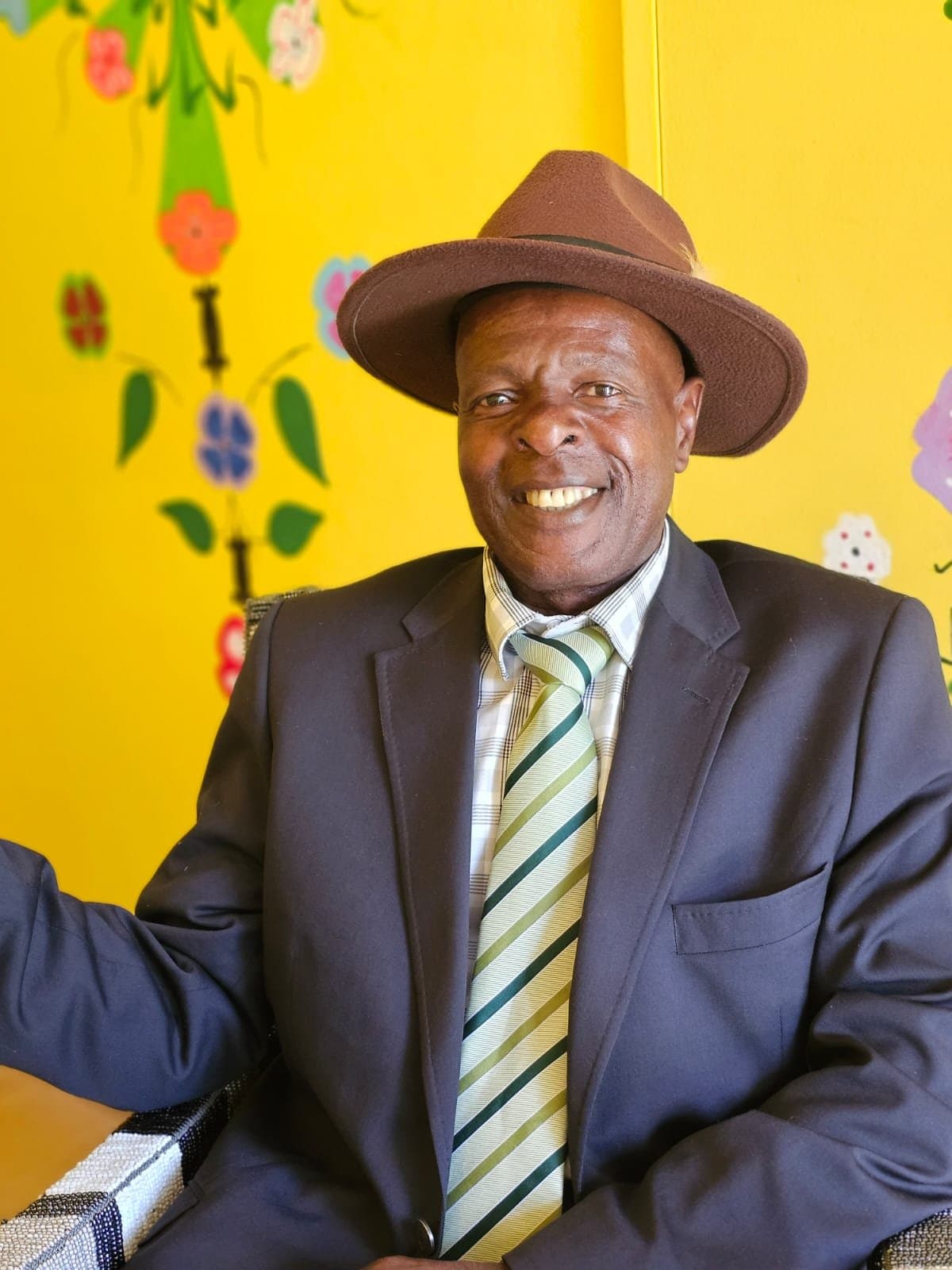
Oliver Matamba (b. 1961, Shurugwi, Zimbabwe) is a Johannesburg-based self-taught artist whose paintings are shaped by his interest in history, geography, and the natural world. He began painting at 23, creating signage, murals, and hand-painted maps for schools and buses to support his family.
After recovering from an illness, Matamba discovered art as a way to express himself and make sense of his experiences. In 2019, he and his wife moved to South Africa in search of new possibilities. His work often revisits stories of pre-colonial kings, explorers, and presidents, guided by his belief that understanding the past can help us imagine the future.
-
Simon (Kholofelo) Moshapo Jnr is a Johannesburg-based multidisciplinary artist celebrated for his powerful wood sculptures, paintings, and mixed-media works. Born in 1991 in Elim, Venda, he later moved to Limpopo and went on to study Fine Art at the Tshwane University of Technology, graduating in 2015.
Deeply rooted in Venda culture, spirituality, and oral tradition, Simon’s art reflects themes of healing, ancestry, and personal transformation. Working primarily with woods such as leadwood, oak, and yellowwood, he approaches each sculptural piece as a conversation with the spirit of the material — allowing its natural form to guide the final artwork.
-
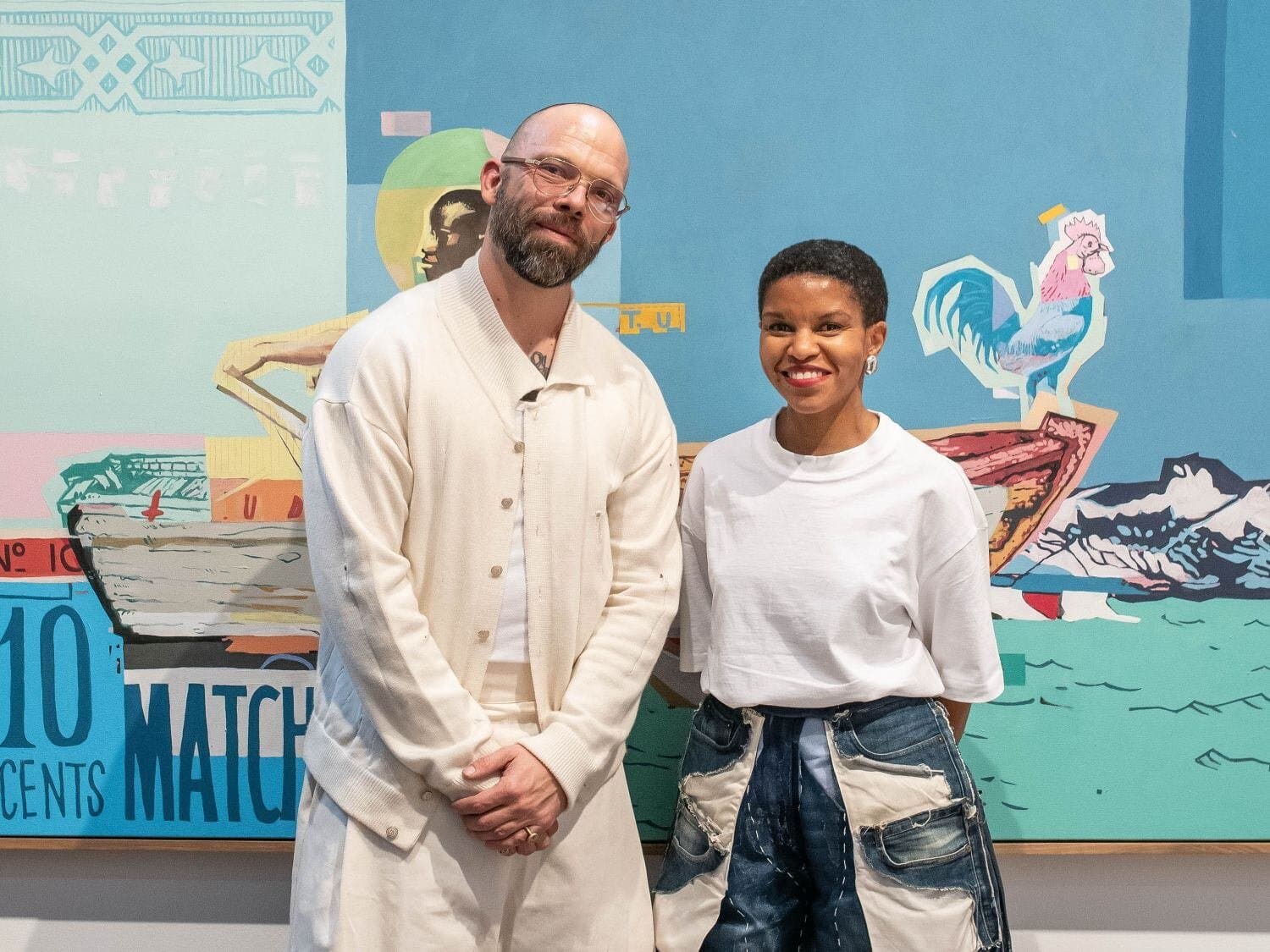
Based in Johannesburg, South Africa, kumalo | turpin is a new contemporary art space dedicated to exhibiting the next generation of leading artists from the Global Majority. Founded by Zanele Kumalo and M.J. Turpin in 2025, the art space was born from a shared commitment to equity, experimentation, and socially-engaged practice.
With a focus on artists whose work challenges dominant narratives and reflects global concerns, the gallery presents a programme designed to amplify previously-excluded voices in today’s society. Through a dynamic range of exhibitions, residencies, and public programming, kumalo | turpin supports artists at pivotal moments in their careers,
offering space to reflect, disrupt, and engage.
Rooted in Johannesburg’s legacy of creative resistance, kumalo | turpin fosters cross-cultural dialogue and critical inquiry. The art space works fluidly across disciplines, and between emerging and established voices, to shape a platform that is both locally grounded and globally connected.
-
Khensani is a Johannesburg fibre artist, researcher and content creator. Rooted in a personal journey to reconnect with her ancestry through dress, her work examines how textiles function as archives of memory, resistance, and identity, as well as tools for liberation and understanding in the postcolonial world.
Using techniques such as upcycling, embroidery, beading and garment reconstruction, she creates work that bridges historical research with contemporary creative practice.